Vacation keepsakes
Drop photobombers from an otherwise perfect moment.
Name what should disappear; the model repaints that area to match surroundings.
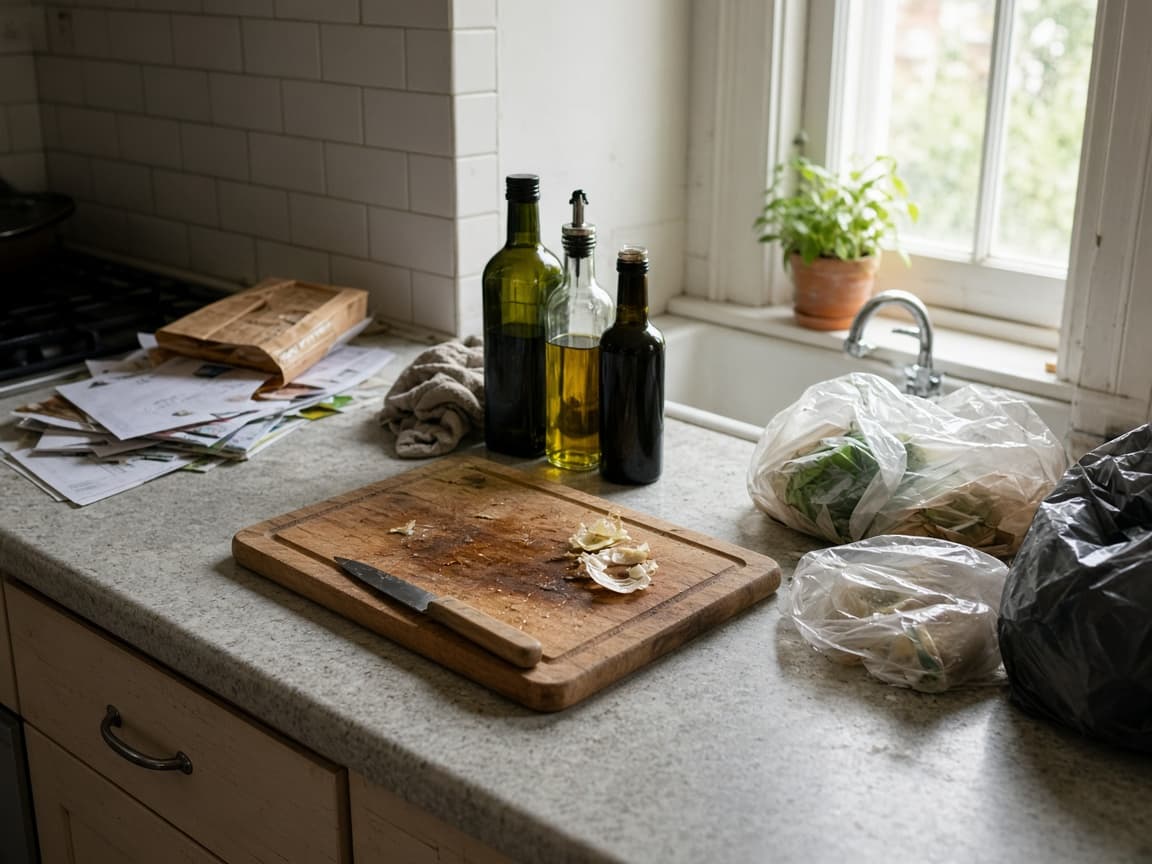
Before
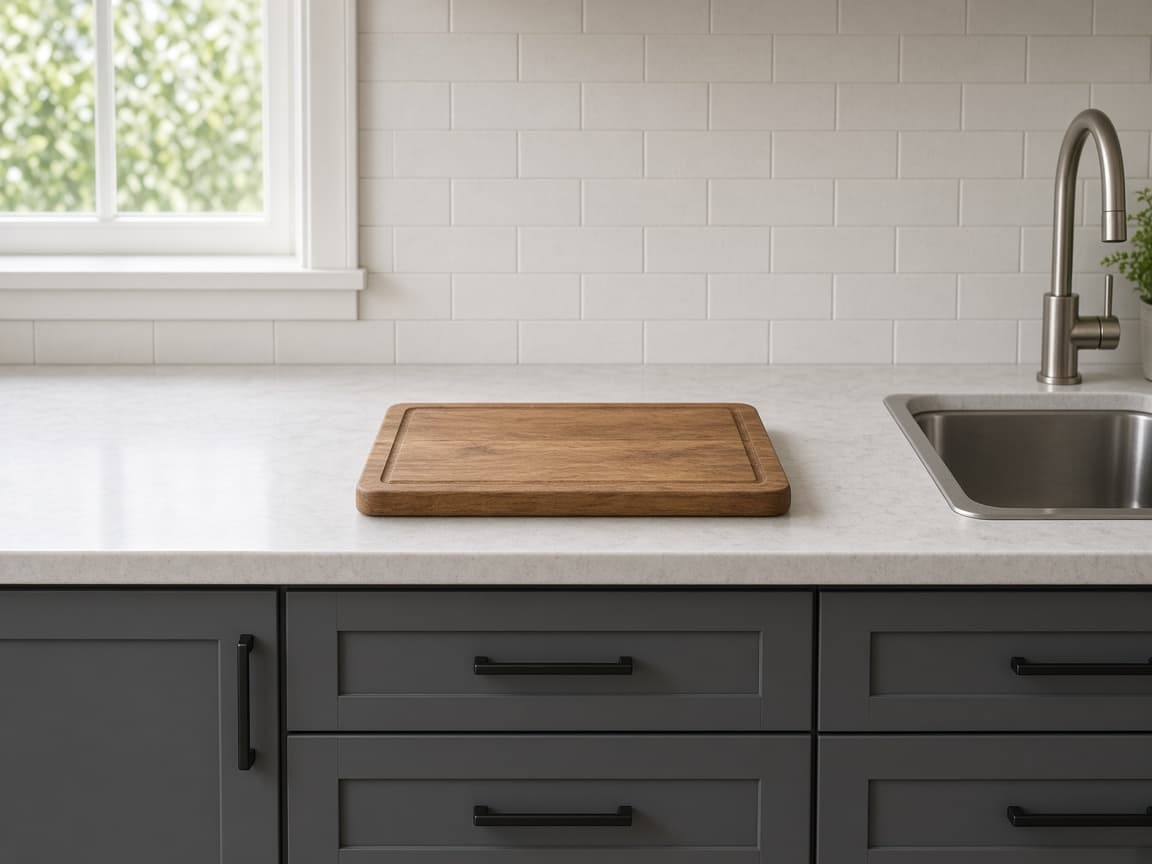
After
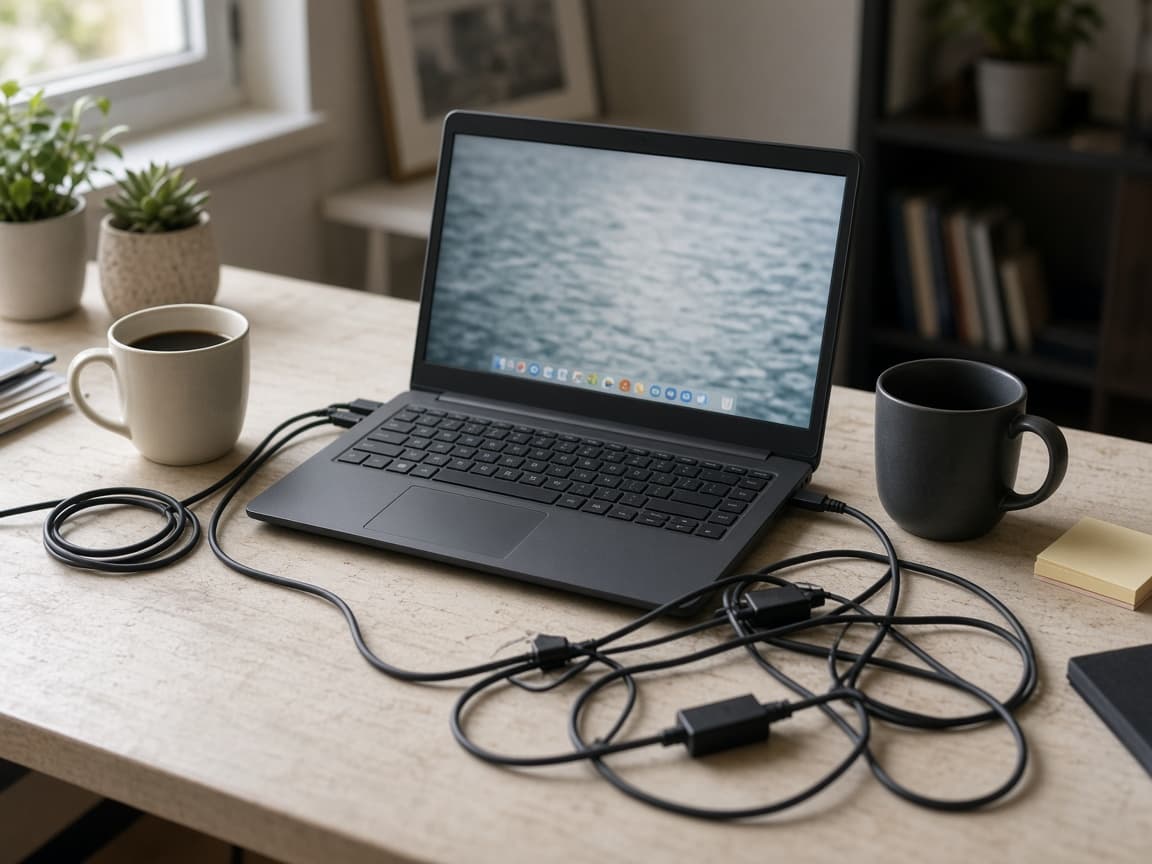
Before
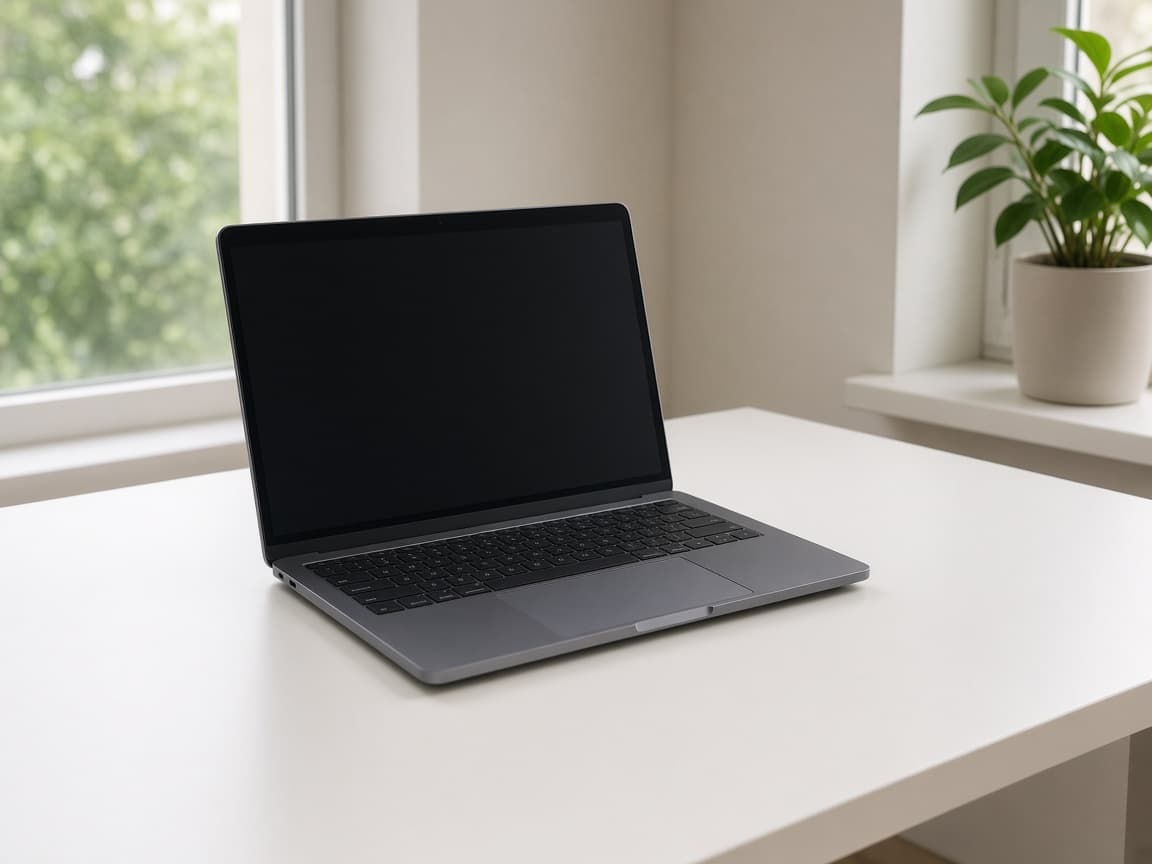
After
Remove Object from Photo erases something you name — a cup, a cable, a passerby — and fills that spot so the rest of the scene still reads. The upload remains the picture. It is for cleanup, not for replacing the entire background or restyling the subject.
Point at the distraction in words: where it sits, and what the fill should match. A large missing region is harder than a small object on a simple surface.
1
Include context around the object so the model knows what texture to continue.
2
Say "remove the red car" or "delete the power lines" instead of vague "clean it up."
3
Look for repeating patterns on sidewalks or grass. Regenerate with tighter wording if the patch looks wrong.
Drop photobombers from an otherwise perfect moment.
Clear scaffolding or signage for a portfolio frame.
Remove competing items from a tabletop scene.
Tidy yards by removing bins or cars when a reshoot is not scheduled.
“The white cable on the right of the desk” is clearer than “clean this up.”
Say what must stay. Otherwise a person near the clutter can be painted away with it.
A logo on a flat wall fills more cleanly than a person covering half the frame.
Large deletions invent texture. Patterns, tiles, and text behind the object often smear. If the hole is most of the photo, crop or reshoot instead of prompting.
This is not a brush you drag. There is no selection outline. If the fill blurs, run again with a tighter description of the surface.
A single distraction is a good guest try: one signed-out Fast edit after a human check. Then 5 credits once you create an account. Free downloads are watermarked after your first 2 images.
Several passes on one scene spend several credits. Paid plans start at $19 a month for 20 products (100 credits), download without the watermark, unlock Balanced and High Quality, and join the priority queue. A run that fails or returns no image refunds its credit.
A clone stamp is more exact on a repeating pattern. A prompt is faster when the object is obvious and the surface behind it is simple.
| Method | Strength | Weak fit |
|---|---|---|
| This page | Named clutter in one sentence | A precise pattern rebuild |
| Clone and heal tools | Texture you sample yourself | A quick test |
| Cropping the object out | Zero invented pixels | When the object is in the middle |
Remove the person walking behind me, keep pavement texture continuous.
Remove overhead power lines, keep sky gradient natural.
Remove the green trash bin on the left, extend the brick wall.
Remove the date stamp in the corner, match film grain.
Remove the small logo on the shirt, keep fabric folds realistic.
You describe the removal in text. There is no manual lasso interface in Remorphy.
Failed jobs refund credits automatically; cancel after the model accepts the job does not.
Start from the photo you already took—no RAW requirement.
Large removals are harder. Split into two prompts or upload a tighter crop if the fill looks repetitive.
Only if your prompt says so. Be explicit about who stays.
Occasionally. Regenerate or ask the model to match grain and lighting more closely.
One anonymous Klein generation after a human check, then 5 credits once you create an account.
You can name them in one prompt. If the fill fails, remove one per run so you can see which description worked.
Only if the prompt is vague. Say who stays and which object goes. Check the result before you download it into a layout.
Not the first ones. Your first 2 cleanups download without a watermark, signed in or not. After that, free downloads carry a small Remorphy watermark; a paid plan or the one-time pack removes it.
Back to AI Product Photos — Turn One Photo Into a Full Listing Set